In Northumberland, in the second largest castle in England - Alnwick (Alnwick Castle), there is a unique Garden of Poisonous Plants (The Poison Garden).
© /
Calek
/ Shutterstock.com
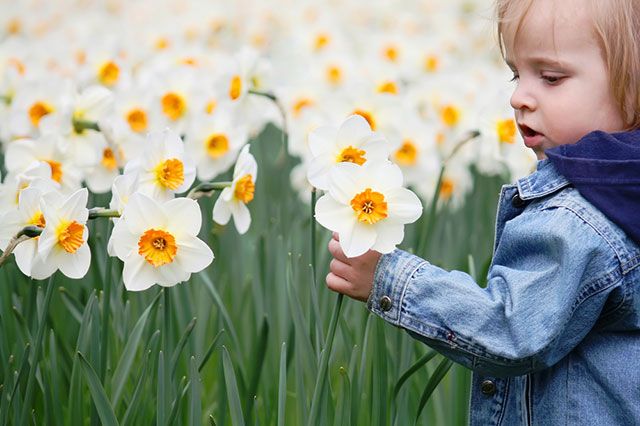
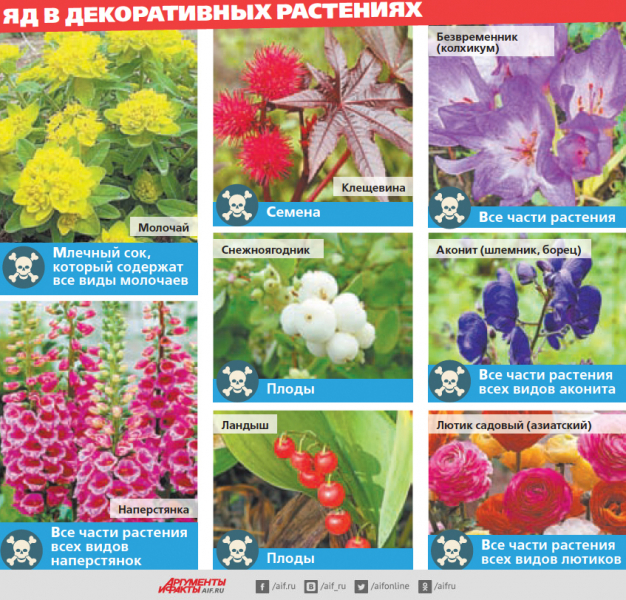
Warning signs and signs are posted throughout the area., and some exhibits are even placed in protective cages, so that visitors cannot touch them even by accident. People, far from botany, sometimes they are shocked, seeing familiar plants in the exhibition, who grow up… they have in the garden. In fact, almost half of all ornamental plants are poisonous to one degree or another.: narcissus, snowdrop, hyacinth, clematis, purchased, aquilegia— can't count everyone. Moreover, in some plants— attractive fruits on the outside, and in others— beautiful flowers. If you hold them in your hands (for example, I picked a bouquet), and then rub your eyes or, without washing your hands, take food, then it is quite possible to get irritation of the mucous membranes. All in all, There are no deadly poisonous varieties among ornamental plants, and ordinary gardening work to care for them does not pose a threat. However, young children, got to the dacha, love to experience the world around them «on a tooth». Because if you have children, then it’s better to avoid growing certain types of flowers altogether.
Infographics: AIF. At the dacha / Natalya Kozlova